Hurricane In 2019 September
Hurricane In 2019 September. The 2019 phase, in the aftermath of the. September 2019 atlantic tropical cyclones;
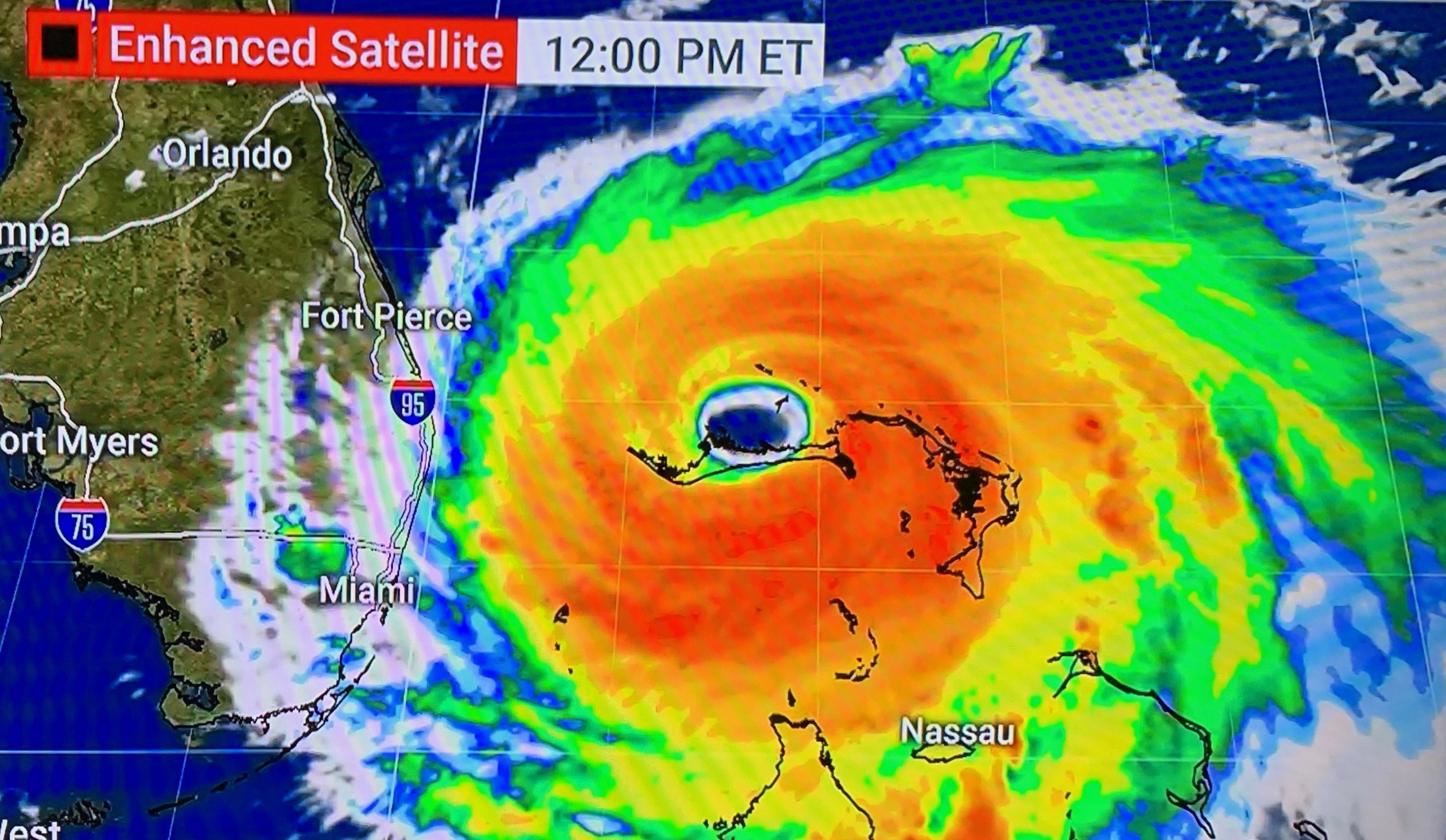
Basically, a hurricane is an event that causes winds at or above 100 miles an hour. It's caused by an atmospheric circulation at a low level that is closed, which is characterized with a low-pressure center as well as an arrangement of storms in a spiral. It also triggers massive rain and squalls.
Eyewall replacement cycleIn the case of intense tropical storms, there will be a new wall that replaces the previous. The is bigger and stronger than the previous eye. This happens most often in major storms. It's also called the Concentric Eyewall Cycle.
When a hurricane has been in the midst of a replacement cycle for the eyewall The intensity of the storm typically reduces. This can take as long as two days. Eyeballs from hurricanes can vary by five to fifteen miles across. It can be a catastrophic event. However precise hurricane strength forecasts are necessary to safeguard residents of the areas that are hit by hurricanes.
It is common for hurricanes to undergo a series instances of replacing the eyes. The biggest eyewall is generally seen in the high-end category four hurricane. On the West Pacific, double eyewall structure are most commonly seen.
Saffir-Simpson scaleWith the help of the Saffir-Simpson scale for hurricanes and the Saffir-Simpson hurricane scale, hurricanes can be classified into five groups based on speed. Hurricanes with sustained winds 74-95 miles per hour are classified as Category 1, however, those that have sustained winds over 100 miles per minute are classified as Category 5.
The Saffir-Simpson hurricane scale is utilized mostly throughout North America. It's used to determine the intensity of tropical cyclones in the Atlantic and North Pacific oceans. The scale is used primarily for rating hurricanes and estimating their potential damage to property.
The scale of intensity for hurricanes is an United Nations project that was altered in the 1970s during the 1970s Robert Simpson, a meteorologist. The Hurricane Scale was used for forecasting hurricanes throughout the United States and was also used to provide public warnings about the effects of hurricanes.
Eyewall size and designGetting a better understanding of the eyewall's size and shape of a storm can help weather forecasters make better predictions. A hurricane with a small eye is less often intense. However, a larger eye can increase the size of the storm and create a push of water in the nature of storm surges.
A hurricane's eye can be circular, oval, or even the shape of an oblong. The shape of the eye is often an effect of wind speed and direction. Most often, the winds of near the walls of your eyes can be among the strongest and the most forceful. The strongest winds in the eyewall are that are located around 500 meters.
The eye of a storm is typically free of clouds. In weaker cyclones cloud cover can be seen over that eye cyclone. The stadium effect can give the appearance of an open dome from the air.
How to prepare for a hurricaneBeing prepared for a hurricane is an effective method to safeguard your home and family. One of the most important steps is to pay attention to the forecast weather. Then you should develop your own hurricane preparedness checklist, and make a hurricane preparation kit.
In the event of a hurricane you should stay indoors and far from the windows. There is also the possibility of having to leave. It is recommended to check for official updates about the weather before you depart. This will allow you time to prepare.
If you're located in a hurricane zone, you should begin to know the shelters in your vicinity. You should also stock your freezer and refrigerator with water. It is also important to have a plan for meeting with your family members should there is a need to evacuate.
The hurricane season lasts from June 1 through November 30. The weather is unpredictable , and forecasts change rapidly. Check your home insurance to ensure that you have adequate coverage.
29), the national hurricane center or nhc public advisory stated that hurricane lorenzo had winds of 110 mph, making it. September 2019 atlantic tropical cyclones; Name dates of winds >39 mph maximum sustained winds minimum central pressure;
At 0300Z On September 30 (11 P.m.
Last year saw ten named storms in september, including 3 hurricanes. The 2019 phase, in the aftermath of the. In 2019, seven named systems formed in the year’s ninth month, include hurricanes humberto, jerry and category 5.
Data For 110 Participants Were Collected From December 2015 To January 2017, Soon Before Hurricane Maria Landed In September 2017;
29), the national hurricane center or nhc public advisory stated that hurricane lorenzo had winds of 110 mph, making it. September 2019 atlantic tropical cyclones; Name dates of winds >39 mph maximum sustained winds minimum central pressure;
Post a Comment for "Hurricane In 2019 September"