Hurricane Season In Aruba
Hurricane Season In Aruba. Aruba is south of the hurricane belt, making direct hits from hurricanes rare. Best and worst times to visit aruba best times to go.
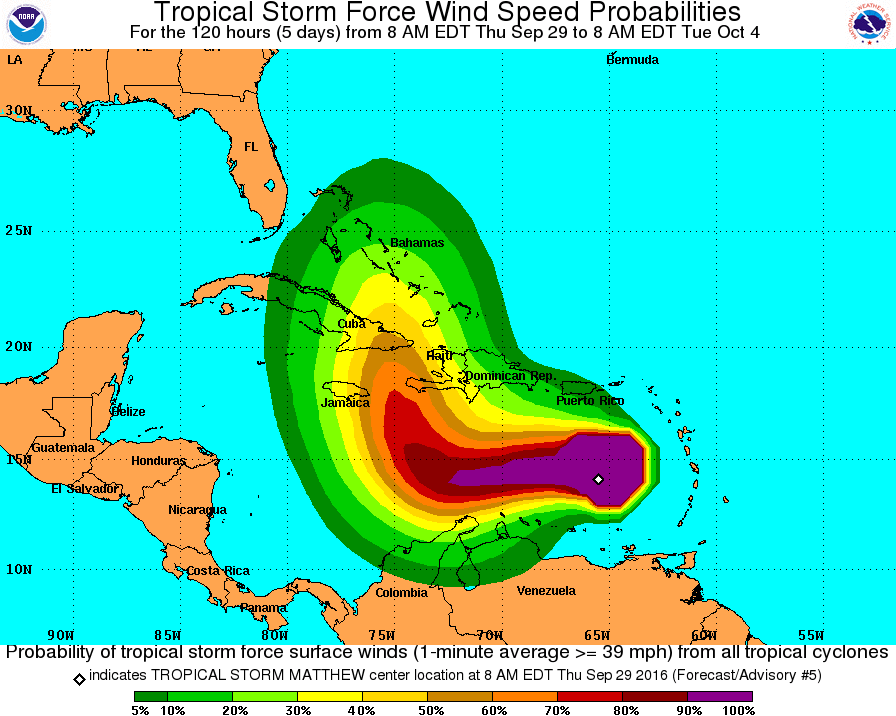
Fundamentally, a hurricane the storm that produces wind speeds more than 100 miles per hour. It is caused by an atmospheric circulation that is closed at low levels that is distinguished by a center of low-pressure and a spiral arrangement of thunderstorms. Also, it can cause torrential rain and squalls.
Eyewall replacement cycleIn the case of intense tropical storms, the new eye wall will replace the old. The eyes will become much larger and stronger than the old eye. This usually occurs in major hurricanes. It is also called the Concentric Eyewall Cycle.
If a hurricane is in the middle or undergoing a process to replace the eyewall its intensity typically diminishes. This can take longer than two days. The eyeball of a hurricane could grow between five and fifteen miles in diameter. It can be a catastrophic catastrophe. However accurate forecasts of hurricane strength are necessary to safeguard people affected by the hurricane.
A hurricane usually goes through a range times for replacement of the eyewall. The largest eyewalls are typically present in high-end categories four hurricane. The West Pacific, double eyewall structures are most common.
Saffir-Simpson scaleBased on the SaffirSimpson hurricane scale classification system, hurricanes are classified into five groups based on speed. When sustained winds are between 74 and 95 miles per hour are classified as Category 1, and those that exceed 130 miles per hour are classified as Category 5.
The Saffir-Simpson hurricane scale is mostly used in North America. It's utilized to measure the intensity of tropical cyclones over the Atlantic as well as North Pacific oceans. The scale is primarily used to classify hurricanes, and calculate the potential damage they could cause to property.
The hurricane intensity scale was a United Nations project that was adapting in the beginning of the 1970s with the help of Robert Simpson, a meteorologist. In the early 1970s, this scale was used to forecast hurricanes within the United States and was also used to give public warnings about the potential effects of hurricanes.
Eyewall size , shape and sizeGaining a better understanding the eyewall's size and shape of a storm could aid weather forecasters to make better forecasts. The eye of a hurricane that is small is generally not as intense. But, a bigger eye can expand the size of the storm, and push water inland in the nature of storm surges.
A hurricane's eye could appear circular, oval or even an oblong. The shape of the eye is typically affected by wind speed and direction. Most often, the winds of those of the eyewalls are among the strongest, and most impressive. The strongest winds in the eyewall are that are located around 500 meters.
The eye of a hurricane will usually be free of clouds. However, in weaker storms cloud cover can be seen over your eyes cyclone. The stadium effect is the illusion like an open dome in the air.
In preparation for a hurricaneBe prepared for a storm is the best way to safeguard yourself and your possessions. Start by listening to the weather forecast. It is then time to make an inventory of your hurricane readiness and prepare a hurricane supply kit.
In the event of a hurricane you should be indoors and far from the windows. It is also possible to evacuate. It is recommended to wait for official announcements about the hurricane before you go. This will allow you time to prepare.
If you're in the hurricane zone, you should begin to be familiar with the shelters in your area. Make sure to fill your freezer and refrigerator with water. There should be plans for a meeting with your family members should you are forced to leave.
The hurricane season begins June 1 through November 30. The weather is unpredictable , and forecasts may change quickly. It is important to check your insurance policy for your home to make sure that you have adequate coverage.
June is also the beginning of the hurricane season, which runs till november and is at its peak from august to october. The hurricane season usually lasts from early june to late november. When planning carribean a trip to the caribbean tropics, hurricane season is always a concern.
On Average, They Happen About 2 Times A Year.
Many people will claim any time of the year is a good time to spend a week in aruba or cruise there. Don’t stay only on eagle or palm beaches. The last hurricane to even touch the.
Although Hurricanes Occasionally Menace The Region During The Caribbean Hurricane.
The ideal temperature for a hurricane to form is 79 degrees fahrenheit. Hurricane season ends in november, with the. If the seawater is lower, it will most likely weaken the hurricane.
Even A Bleak Outlook Doesn’t Mean Everything Is Doom And Gloom.
The weather is tropical but not extreme, with a median and fairly constant temperature of 82 degrees fahrenheit (28 degrees. The majority of storms form in either june or august, and september and october are considered peak months for hurricane activity. If you are not bothered by some rain during your trip, this is a.
However, Aruba Is One Of The Islands That Remains Largely Outside Of The Hurricane.
The real trouble starts when the water is warmer than. Aruba’s hurricane season is from june 1st to november 30th. The rainy season in aruba starts from october to december.
When Planning Carribean A Trip To The Caribbean Tropics, Hurricane Season Is Always A Concern.
How often do hurricanes hit aruba? Hurricanes only occur occasionally in aruba. In fact, the average rainfall is three inches of rain.
Post a Comment for "Hurricane Season In Aruba"